
Danger in Dear Passengers comes from every direction at once — the sky, the weather, the cargo hold, and sometimes the outside of the plane. FLEXUS has shown a specific set of hazards, and each one is designed to turn an orderly cabin into a scramble. Knowing what the game can throw at a flight, and which crew member owns the response, is the difference between a clean payout and a smoking hole where your aircraft used to be. Here is every confirmed hazard, grouped by where it comes from.
Threats in the sky
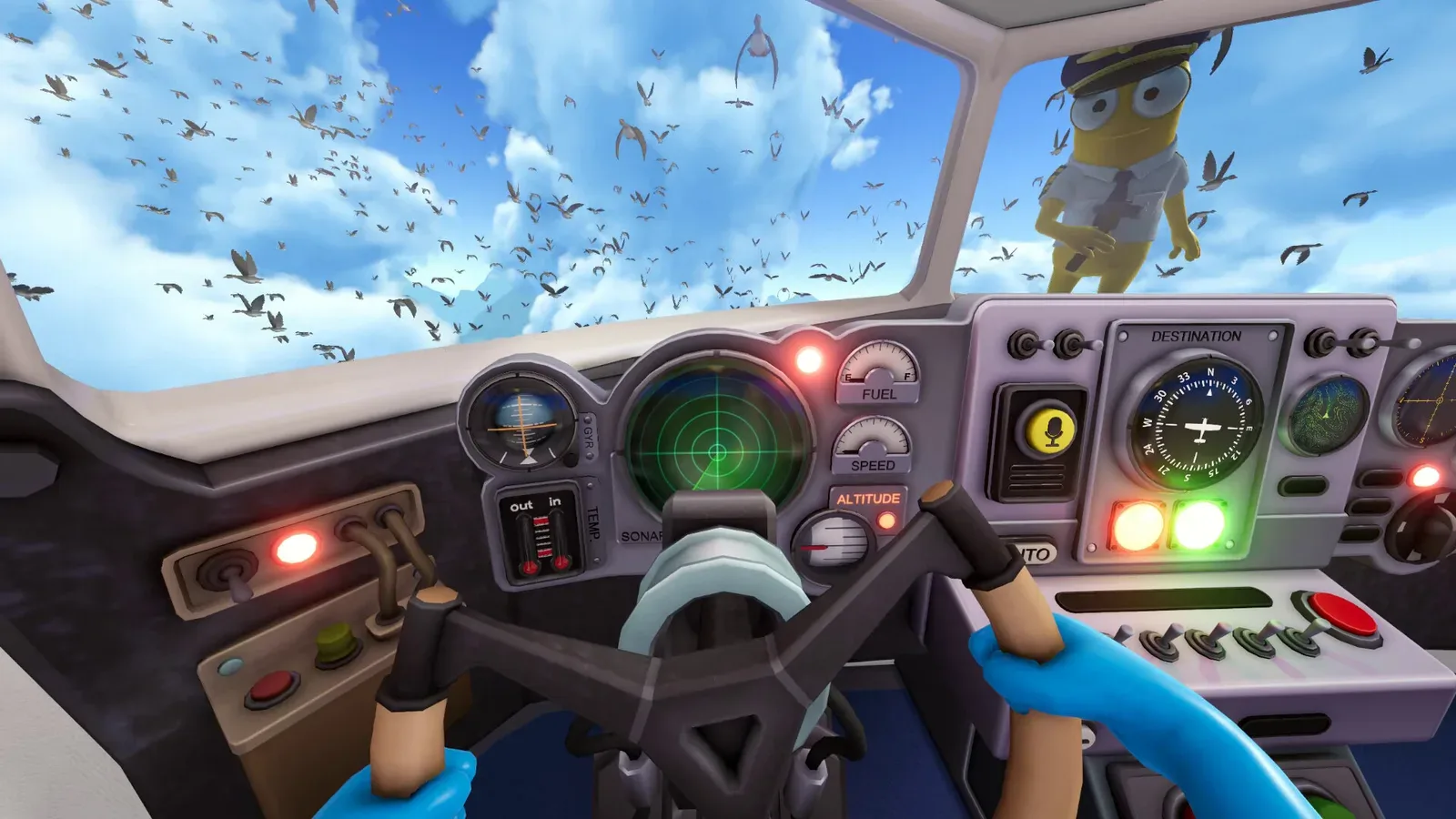
The most immediate Dear Passengers hazards belong to the pilot. Flocks of birds can engulf the aircraft, and a bird strike can damage or blow out an engine outright. Losing an engine mid-route changes how the plane handles, which changes what the cabin has to brace for — a clean example of how one hazard in Dear Passengers never stays contained to one seat. Engines also take damage from stress and neglect, and unattended onboard problems escalate into full emergencies if the crew cannot reach them in time. The sky hazards reward a pilot who reads ahead: spot the flock early and you can climb or bank before it hits, but every evasive move you make in the cockpit is felt as a lurch in the cabin behind you.
Weather and turbulence
Weather is the hazard that ties the others together in Dear Passengers. Storms turn a routine flight hostile, cutting visibility and setting up the turbulence that follows. Heavy turbulence and sudden air pockets then throw passengers, luggage and loose equipment around the cabin. That is why securing everything before weather hits is the core survival habit in Dear Passengers: an unbuckled passenger and an unsecured bag both become projectiles the instant the ride gets rough. Because the weather also changes flight to flight, it is the main reason no two runs feel the same — a route you cleared in clear skies is a different animal when a storm rolls in and the cabin has thirty seconds to strap down.
Cargo that fights back
Some Dear Passengers hazards come from the manifest you chose. Illegal cargo does not stay in its crates: crocodiles can escape their shipping containers into the hold. A live animal loose in the cargo hold is exactly the kind of high-payout risk a crew signs up for before takeoff — the reward for carrying dangerous freight is paid back in exactly this kind of chaos. It is the clearest link between the pre-flight economy and the in-flight danger: the crew that took the crocodile crate for the bigger cut is the crew that has to wrestle a loose crocodile at ten thousand feet, and the crew that played it safe never sees the reptile at all. Dear Passengers makes greed legible, and the cargo hold is where it bites back.
Leaving the aircraft
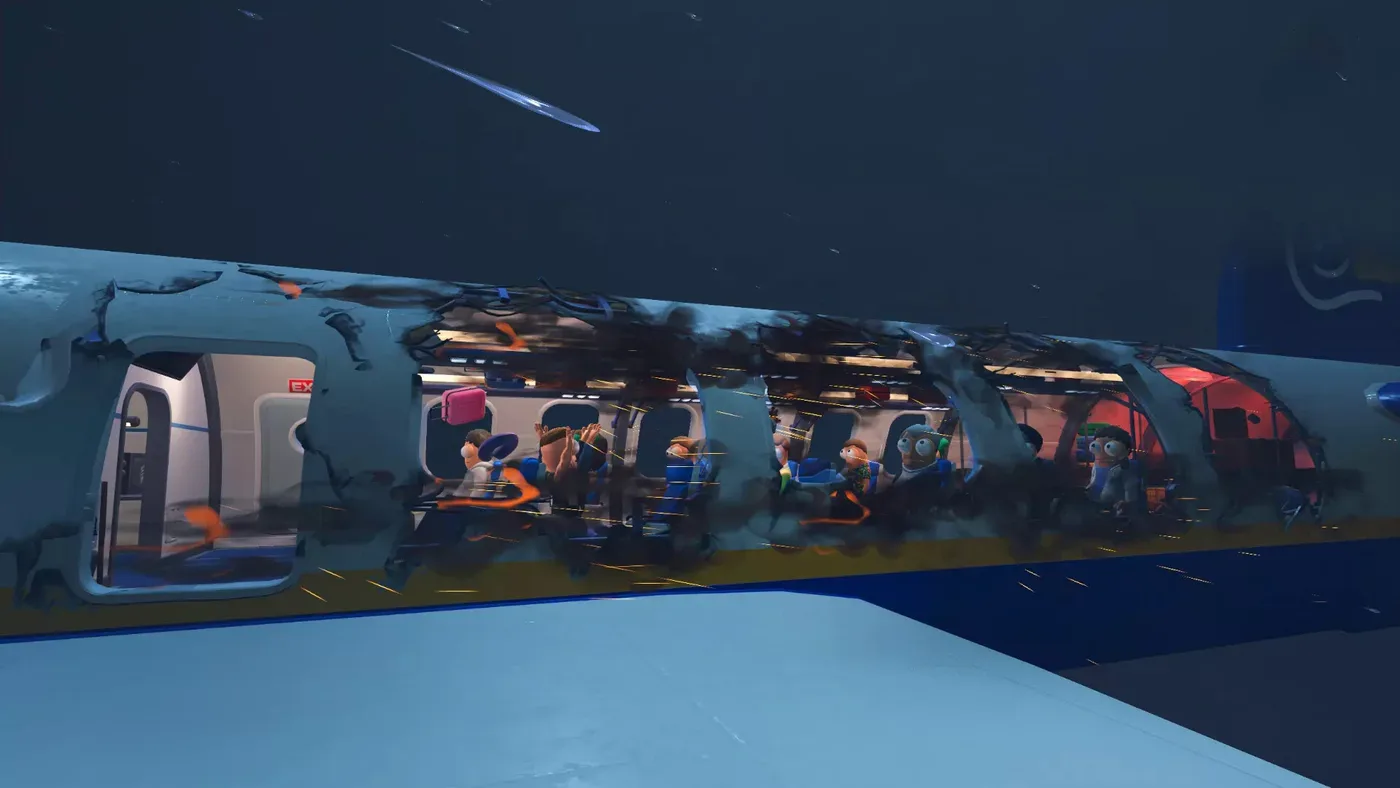
A few Dear Passengers problems can only be solved outside the plane. The reveal showed crew grilling food out on the wing, and stepping outside a flying aircraft is treated as a normal — if absurd — part of the job when the situation calls for it. It is the clearest sign of how far Dear Passengers is willing to push its "worst airline" premise for a laugh and a scare at once. Expect these moments to be the high-wire set pieces of a flight: one crew member clipped to the outside of a moving plane while the pilot tries to fly gently and the rest of the cabin covers the jobs they left behind. Nothing about it is safe, which is exactly why it is funny.
The safety card
Every confirmed Dear Passengers hazard, laid out like the card in your seat pocket — except this card is telling the truth about what the flight has in store:
- 01
Bird strikes
Flocks can engulf the aircraft, and a bird strike can damage or blow out an engine outright.
- 02
Engine damage & fire
Engines take damage from strikes and stress, and onboard problems can escalate into emergencies.
- 03
Bad weather
Storms turn a routine flight hostile, cutting visibility and setting up the turbulence that follows.
- 04
Turbulence & air pockets
Heavy turbulence and sudden air pockets throw passengers, luggage and loose equipment around the cabin.
- 05
Escaped cargo (crocodiles)
Illegal cargo does not stay in its crates — crocodiles can escape their shipping containers into the hold.
- 06
Leaving the aircraft mid-flight
Some problems can only be solved outside the plane — crew have been shown grilling food out on the wing.
Last updated: 2026-07-15